Fashion Is Art: What the Met Gala 2026 Revealed About Modern Couture
The Met Gala’s Shift From Celebrity Event to Cultural Institution
On the first Monday of May every year, the Metropolitan Museum of Art's steps become the most photographed stretch of stone in the world. The Met Gala - fashion's biggest night and a fundraiser for the museum's Costume Institute - has been doing this since 1948.
But back then, the event had a pretty different look and feel when the ticket price was just $50, roughly $690 in 2026 dollars, compared to the reported $100,000/ticket in 2026. And the guest list was essentially New York's upper crust. Also, it didn't reach a global audience as it does today.

That changed when Anna Wintour took charge in 1995, after which she brought in celebrities and the world's top design houses to make it more of a fashion and cultural event than a charity dinner. It also raises tens of millions for the Costume Institute each year. Met Gala's 2026 edition, which took place on May 4, raised a record $42 million, surpassing last year's $31 million.
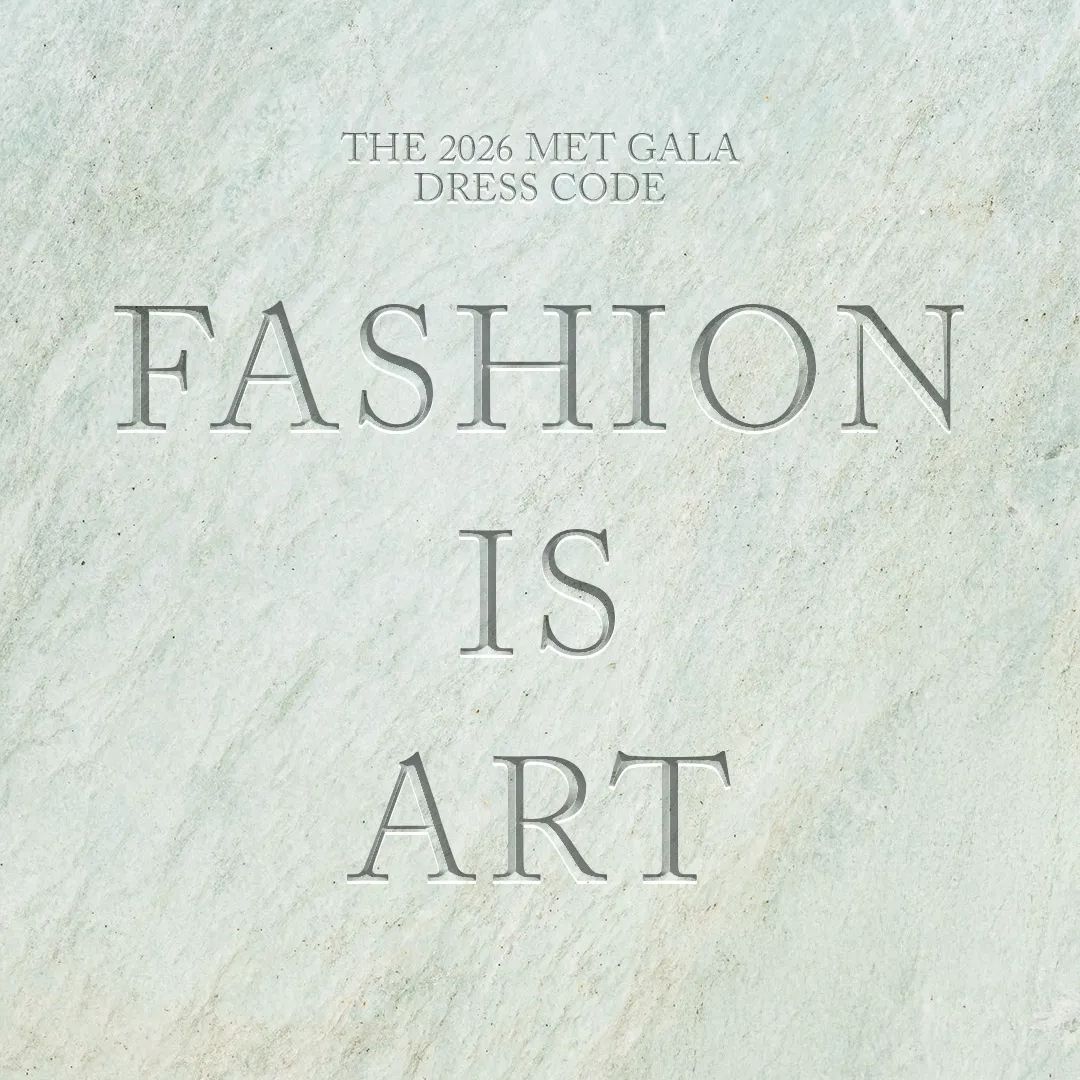
But beyond the money or the celebrity wattage, another key aspect of the Met Gala is each year's theme. It's drawn from the Costume Institute's annual spring exhibition and serves as a creative brief for every guest on the carpet. In some years, the event has specific themes tied to a person or period, and in others, it's more open-ended. This year's theme, Fashion Is Art, was perhaps the most ambitious in recent memory.
It asked guests to treat fashion as a primary creative act, one worthy of standing next to painting, sculpture, or any other form that hangs in a museum.
What “Fashion Is Art” Meant at the Met Gala 2026
The 2026 Costume Institute fashion exhibition is titled "Costume Art," and the dress code for the Gala, "Fashion Is Art," flows directly from it. These are two distinct but connected things: "Costume Art" is the show inside the museum, and "Fashion Is Art" is what guests were asked to interpret on the carpet. The theme reopened the long-standing conversation between fashion and art.
Curator Andrew Bolton organised the show around one idea: the dressed body connects every curatorial department in the museum - paintings, sculptures, and ancient artefacts spanning 5,000 years. The exhibition was organised by body type. The idea is to reclaim bodies often ignored or stereotyped in art history, including pregnant and aging bodies, and place them on equal footing with classical ideals.
It was a fresh take on how clothing and the human form have always been intertwined. But Bolton was concerned that guests might interpret the theme too literally, whereas the goal was to let fashion speak for itself.
How Couture Became a Form of Artistic Expression
Some looks on the carpet did exactly that: letting fashion speak for itself without leaning on a painting or a sculpture as a support.

Manish Malhotra wore a look that took more than fifty artisans over 960 hours to complete. He paid tribute to Mumbai through embroidered recreations of the city's landmarks. The look reflected the scale and discipline associated with hand-embroidery couture. It also carried the signatures of the artisans who made it. If that is taken as a signal, couture craftsmanship is moving toward making the human hand more visible. The visibility of makers is increasingly becoming part of the language of couture itself.
Beyoncé, back at the Gala after ten years away, wore a crystal-embellished gown by Olivier Rousteing that mapped a human skeleton across a sheer flesh-toned dress. The body was the artwork.

Lisa of Blackpink arrived in a Robert Wun creation with two additional arms sculpted from 3D scans of her own body in a reference to traditional Thai dance. Fashion’s relationship with performance traditions and embodied storytelling has long existed across cultures. Gigi Hadid's Miu Miu look, covered in crystals and flame-like embroidery and rebuilt directly on her body two days before the Gala, treated the human silhouette as raw material.
The Return of Craftsmanship in Modern Couture
There is a broader shift happening in fashion, and this year's Gala captured it well. Luxury is moving away from logo-driven dressing toward craftsmanship, story, and the slower values associated with craft-led couture, particularly through textile traditions that have endured across generations of makers.
The event treated heritage techniques, dori, zardozi, shola work, and hand embroidery passed through generations as creative authority and not just nostalgia. Putting thousands of hours into a couture piece makes it carry no less cultural weight than a work of art. The value of handcrafted couture now lies as much in process as in appearance. The fashion industry seems less interested in defending the distinction than it used to be.
Fashion, Museums, and the Future of Couture
The Met Gala is uniquely positioned to intertwine fashion, museum culture, art history, and global media attention into a single evening. That said, the strongest looks suggested a growing interest in artisan fashion shaped through material knowledge, process, and cultural memory.
The Gala also reflected a wider movement toward cultural fashion rooted in identity, craft, and artistic authorship. The exhibition reinforced the idea that museum fashion is increasingly viewed as part of broader art history. Techniques such as zardozi, chikankari, and shola work are no longer being framed as decorative additions to couture but as artistic disciplines with their own cultural histories. Luxury craftsmanship is increasingly becoming the defining language of modern couture.
The dressed body has always been at the centre of culture, and the Costume Art exhibition finally gave that idea a permanent home at one of the world's great art museums.