Why Museums Collect Fashion: From Clothing to Cultural Heritage
Walk through the galleries of a fashion museum, and you may encounter garments separated by centuries, geographies, and cultures. A Dior gown might share a gallery with an eighteenth-century court dress, while an embroidered Indian textile may appear alongside a creation by Alexander McQueen.
They are not there simply because they are old.

Fashion is built around change. Collections arrive, define a moment, and eventually make way for what comes next. Yet certain garments transcend that cycle. Decades, sometimes centuries later, they are conserved, studied, and exhibited as records of craftsmanship, design innovation, identity, and cultural history.
Most were never created with a museum in mind. So what transforms clothing into cultural heritage? And what can these garments still tell us long after the moment in which they were made has passed?
When Does Fashion Become History?
Every year, designers produce thousands of collections and millions of garments. Even those created by the world's most influential fashion houses are not automatically destined for museum collections. Age alone does not make a garment historically significant, nor does a famous label or the person who once wore it.
Curators look for something more lasting.
It may be a garment that changed the direction of fashion, like Christian Dior's “New Look” collection of 1947, which redefined the female silhouette after the Second World War. Or it may introduce an entirely new way of thinking about clothing, as seen in the sculptural work of Rei Kawakubo or the innovative pleating techniques of Issey Miyake.
Other garments become significant because they capture a particular moment in history, express a cultural movement, preserve an important textile tradition, or represent an exceptional level of craftsmanship.
This is why a museum can place a royal court dress beside a contemporary couture gown without either feeling out of place. Separated by centuries, both can reveal how people understood beauty, identity, craftsmanship, and culture in their time.
What Museums Are Really Preserving
Museums often acquire garments not only for what they represent, but for the craftsmanship and material knowledge embedded within them.

Take Christian Dior's 1947 “Bar” suit, the look that came to define the New Look. Its significance lies in the way it changed fashion after the Second World War, but also in the remarkable couture craftsmanship behind its sharply defined waist, padded hips, and sculpted silhouette. Its construction reflects the highly skilled tailoring traditions of postwar Paris.
The same principle extends far beyond couture.
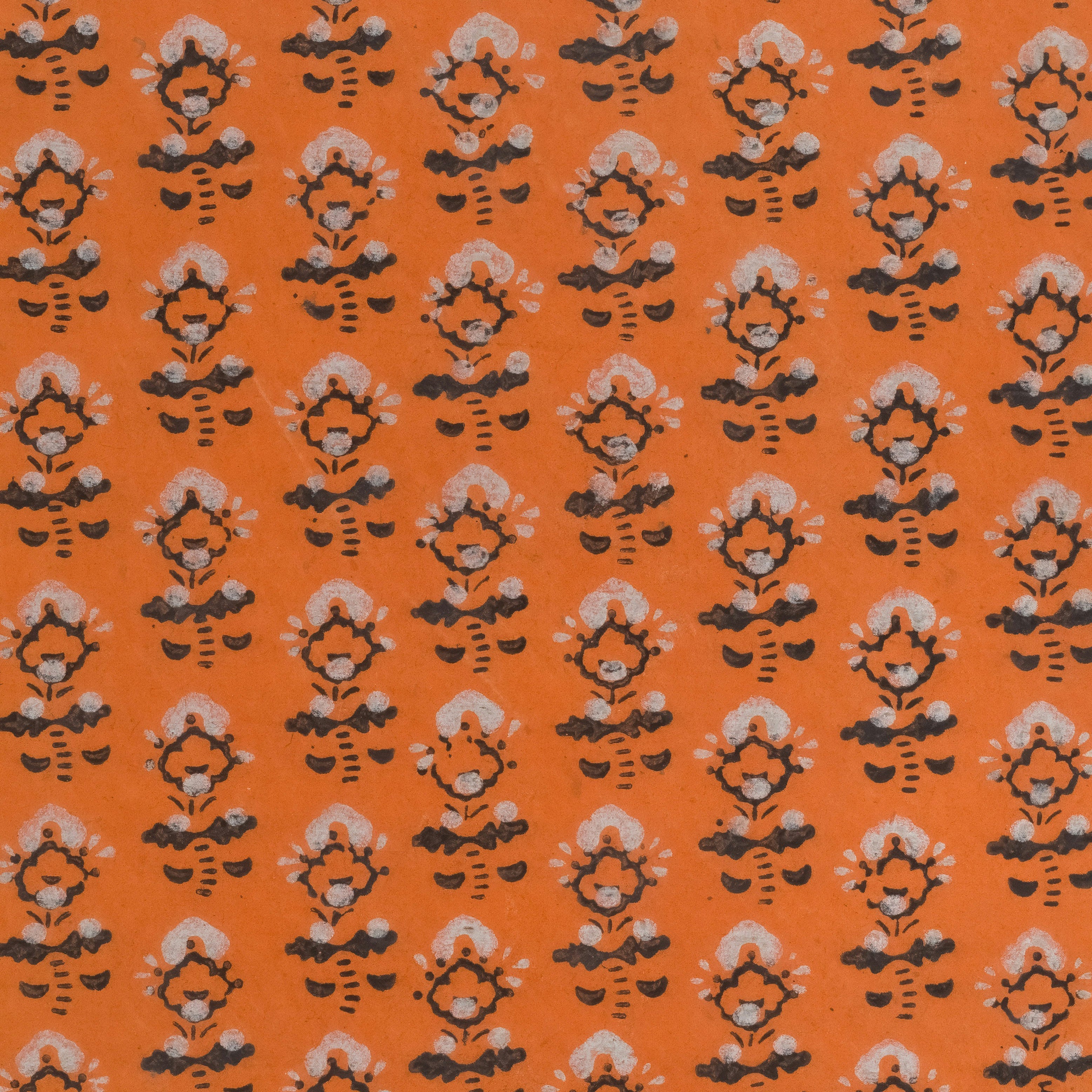
A hand block-printed textile from Rajasthan carries generations of knowledge about natural dyes, carved wooden blocks, and resist-printing techniques such as Dabu. A Banarasi silk sari embodies an equally complex knowledge system of weaving, materials, motifs, and craftsmanship, passed down from one generation of makers to the next in Varanasi.
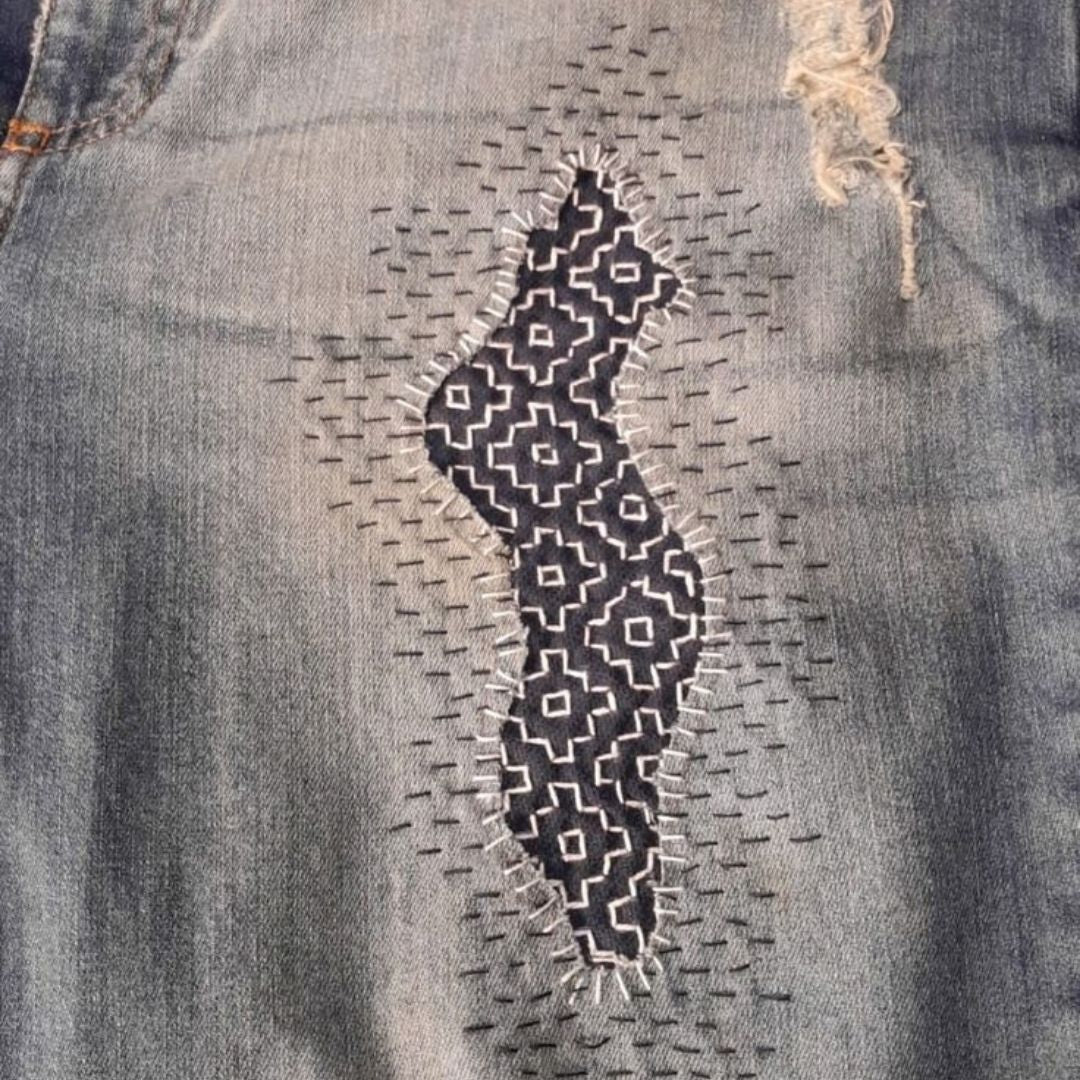
Preserving these textiles therefore means preserving more than the finished object. It means preserving evidence of how something was made: the skills, materials, processes, and cultural knowledge embodied within it.
At other times, museums preserve not an inherited tradition but an entirely new way of thinking about clothing.
Issey Miyake's Pleats Please garments, introduced in the early 1990s, challenged conventional approaches to pleating. Rather than pleating the fabric before construction, the garments were cut and sewn first, then permanently pleated using heat. The process created clothing that was lightweight, functional, and materially innovative.
Museums, including the Museum of Modern Art in New York, have collected Miyake's work as an important example of the intersection between fashion, industrial design, and material innovation.
Fashion as Cultural Memory
Fashion exhibitions rarely present garments in isolation. They place them within the cultural, social, and artistic worlds that gave them meaning.

In 2025, for example, the Metropolitan Museum of Art's Costume Institute presented “Superfine: Tailoring Black Style”, an exhibition exploring more than three centuries of Black style and dandyism. Garments appeared alongside paintings, photographs, manuscripts, and historical objects, revealing how clothing has been used to express identity, status, creativity, and resistance across different periods of history.
The Victoria and Albert Museum in London often takes a similarly contextual approach. A garment may be exhibited alongside sketches, textile samples, jewelry, photographs, or other archival material, allowing visitors to understand not only how it looked, but the wider design and cultural context in which it existed.
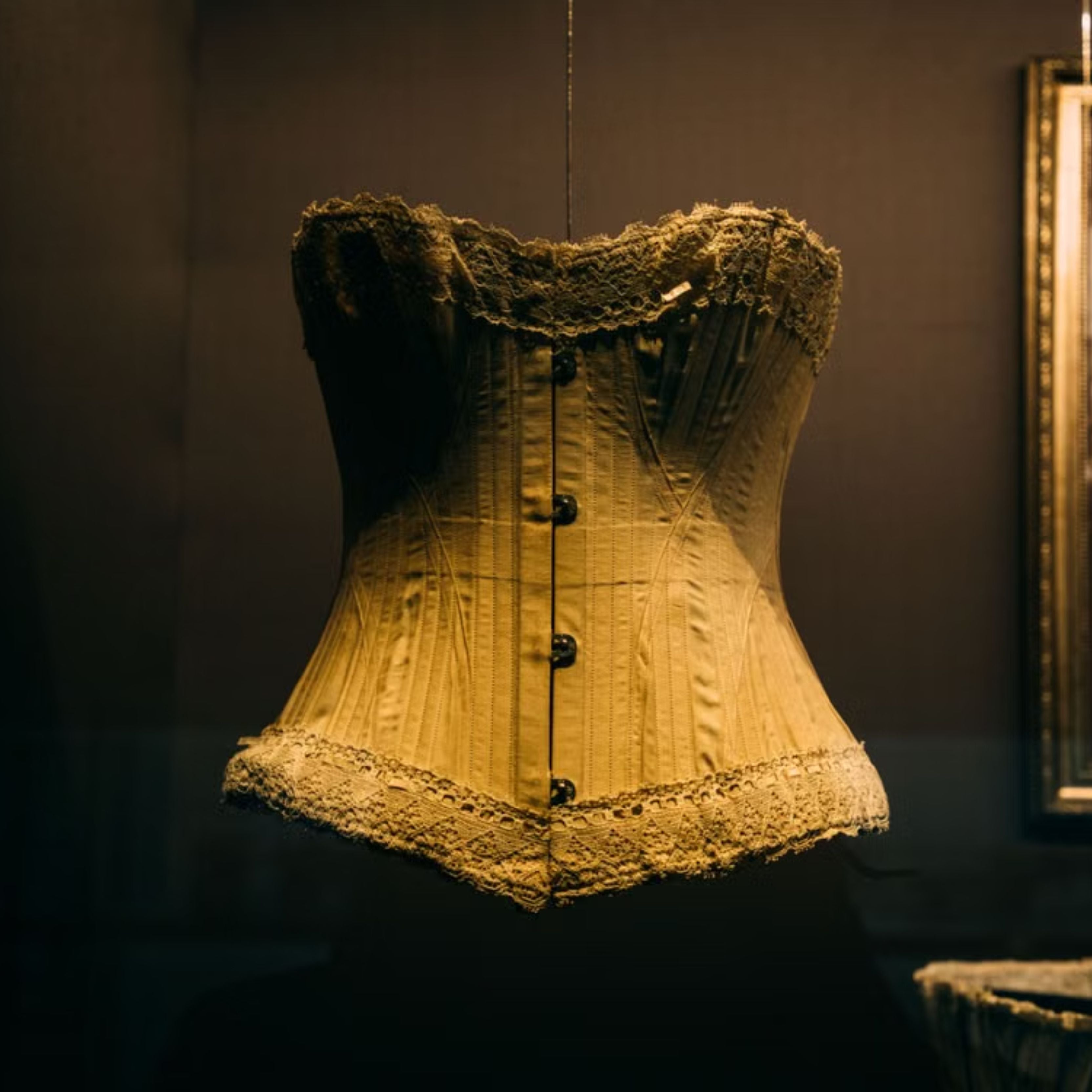
Preserving fashion also requires careful conservation. Fragile garments may be supported by specially constructed mannequins, while controlled light, humidity, and storage periods help protect textiles and dyes for future generations.
Seen this way, a fashion exhibition becomes more than a display of remarkable clothes. Garments become cultural documents, placed in conversation with the people, places, ideas, and histories that shaped them.
What museums ultimately preserve is not simply fashion, but the cultural memory carried through it.
How Museums Inspire Contemporary Fashion
Alexander McQueen was a regular visitor to London's Victoria and Albert Museum while studying at Central Saint Martins. Its collections of historical dress, textiles, armor, and decorative arts became important sources of inspiration for his work.
Years later, McQueen's own creations would enter museum collections and exhibitions, including Alexander McQueen: Savage Beauty, first presented at New York's Metropolitan Museum of Art in 2011 before traveling to the V&A in London. The journey is almost cyclical: a designer studies cultural history in a museum, creates something new from it, and eventually becomes part of that history himself.

Museums have long provided this connection between the past and contemporary design. Yves Saint Laurent's Mondrian dresses, inspired by the abstract paintings of Dutch artist Piet Mondrian, became among the defining designs of the 1960s. Saint Laurent would later draw on the work of artists such as Henri Matisse, Pablo Picasso, and Vincent van Gogh, demonstrating how ideas can move between art, culture, and fashion.
Contemporary designers continue to look to museum collections for similar reasons. Historical garments offer lessons in silhouette and construction; textiles reveal embroidery, weaving, and material techniques; decorative arts, paintings, and cultural objects open entirely different ways of thinking about color, form, proportion, and storytelling.
This is perhaps why fashion belongs so naturally within museums. A garment can embody extraordinary craftsmanship, capture a moment in cultural history, or introduce an entirely new way of thinking about design.
Museums preserve these ideas beyond the lifespan of a season, allowing one generation of makers and designers to inform another. Fashion may be built around change, but its most significant ideas can continue to shape culture long after they were created.