Why Handmade Is Never Perfect
Place two handwoven textiles side by side, made using the same yarn and following the same pattern. Look closely, and you may notice subtle differences in texture, tension or the placement of a thread.
Similar variations appear across other traditional crafts. Even when a craftsperson repeats a familiar process, the result is rarely identical.
These differences are often described as imperfections. Yet they can reveal something about the materials, techniques and human judgement involved in making an object.
Industrial production has accustomed us to consistency, where products are expected to meet precise measurements, colours and finishes. Handmade craftsmanship involves a different relationship between the maker, the material and the tools, with decisions made throughout the process.
The distinction is not simply between perfection and imperfection, but between different ways of making and what they reveal about the people and knowledge behind an object.

Why Handmade Objects Are Never Identical
A machine can repeat a programmed movement with remarkable consistency. A craftsperson, however experienced, must continually respond to the material being worked.
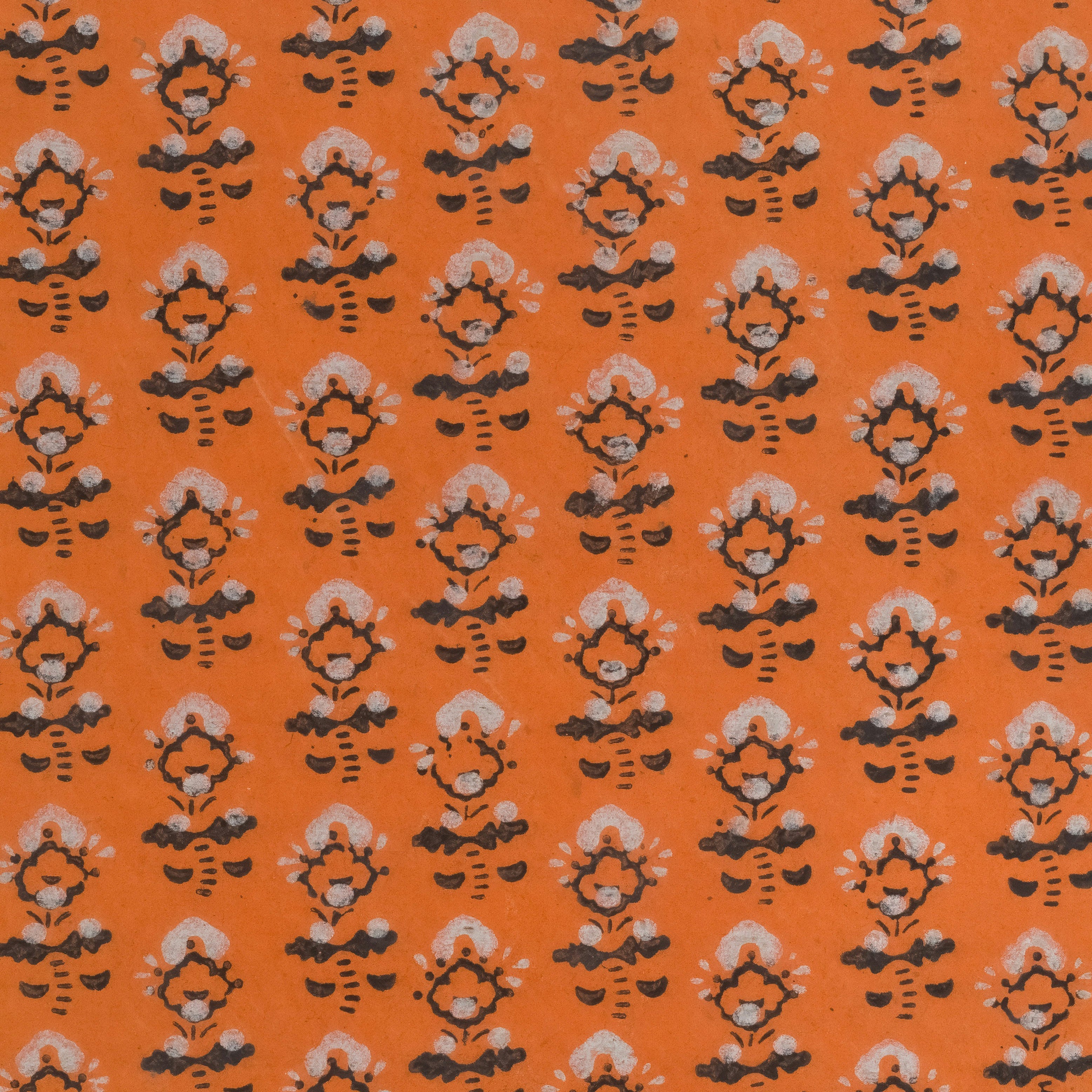
A potter adjusts the pressure of their hands as clay takes shape on the wheel. A block printer positions a carved wooden block by hand, repeating the impression across a length of fabric. Each action requires judgement developed through practice.
In hand block printing, slight differences in pressure or placement can produce variations in colour density and pattern alignment. In pottery, the movement of clay and the pressure applied by the maker may produce subtle differences in form.
These variations are not always intentional, nor do they automatically make an object more valuable. They emerge from a process in which the maker remains directly involved in shaping the outcome.
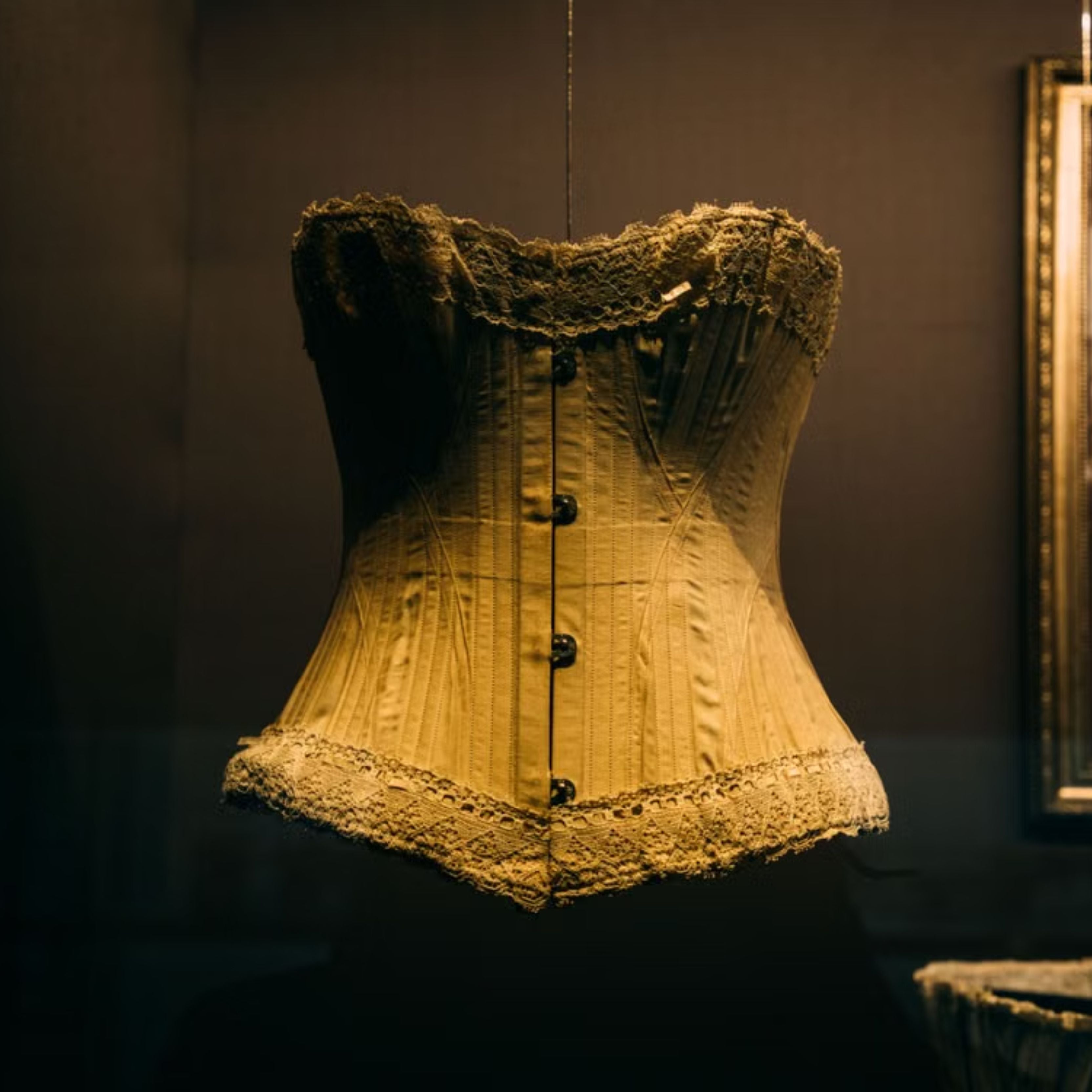
This does not mean that machinery has no place in craftsmanship. Contemporary fashion, including couture, relies on both specialised equipment and skilled handwork. A sewing machine may construct a garment, while hand techniques are used to shape, finish or embellish it. Both can contribute to the quality of the finished piece.
The resulting variations are not simply differences in appearance. They offer evidence of the adjustments and decisions made throughout the process.
The Difference Between Imperfection and Craftsmanship
There is an important distinction between an irregularity and poor workmanship.
An uneven stitch is not automatically evidence of exceptional craftsmanship. Neither is a misaligned print or an asymmetrical ceramic form. Some variations are natural consequences of working by hand, while others may result from inadequate skill or control.
Craftsmanship involves understanding that difference. In handmade work, a variation may reveal the process of making, but the quality of the object still depends on the maker's control, technical knowledge and intended result.
An experienced embroiderer knows how thread tension affects the appearance of a stitch. A skilled weaver maintains the structure of a textile while responding to the behaviour of individual yarns. Both rely on technical knowledge developed through years of observation, repetition and practice.
Precision is not absent from traditional crafts. It is often achieved through the maker's eye, hand and accumulated experience rather than automated repetition.
Consider the intricate geometry of a handwoven textile or the carefully aligned motifs of a block-printed fabric. Their execution demands considerable accuracy. Small variations may remain, but they exist within a larger structure shaped by skill and intention.
The individuality of handmade objects does not come from a lack of discipline. It emerges from the knowledge and judgement required to work with materials that do not always behave identically.

The Beauty of Imperfection in Japanese Craft
Different cultures have developed their own ways of understanding the relationship between materials, making and imperfection.
In Japanese aesthetics, the ideas associated with wabi and sabi offer a different perspective on beauty. Wabi is associated with simplicity and understated beauty, while sabi draws attention to age, patina and the passage of time. Together, these ideas allow for an appreciation of qualities that do not depend entirely on symmetry or flawless surfaces.
This perspective can be seen in traditional Japanese ceramics, where variations in glaze, surface and form contribute to the character of an object.
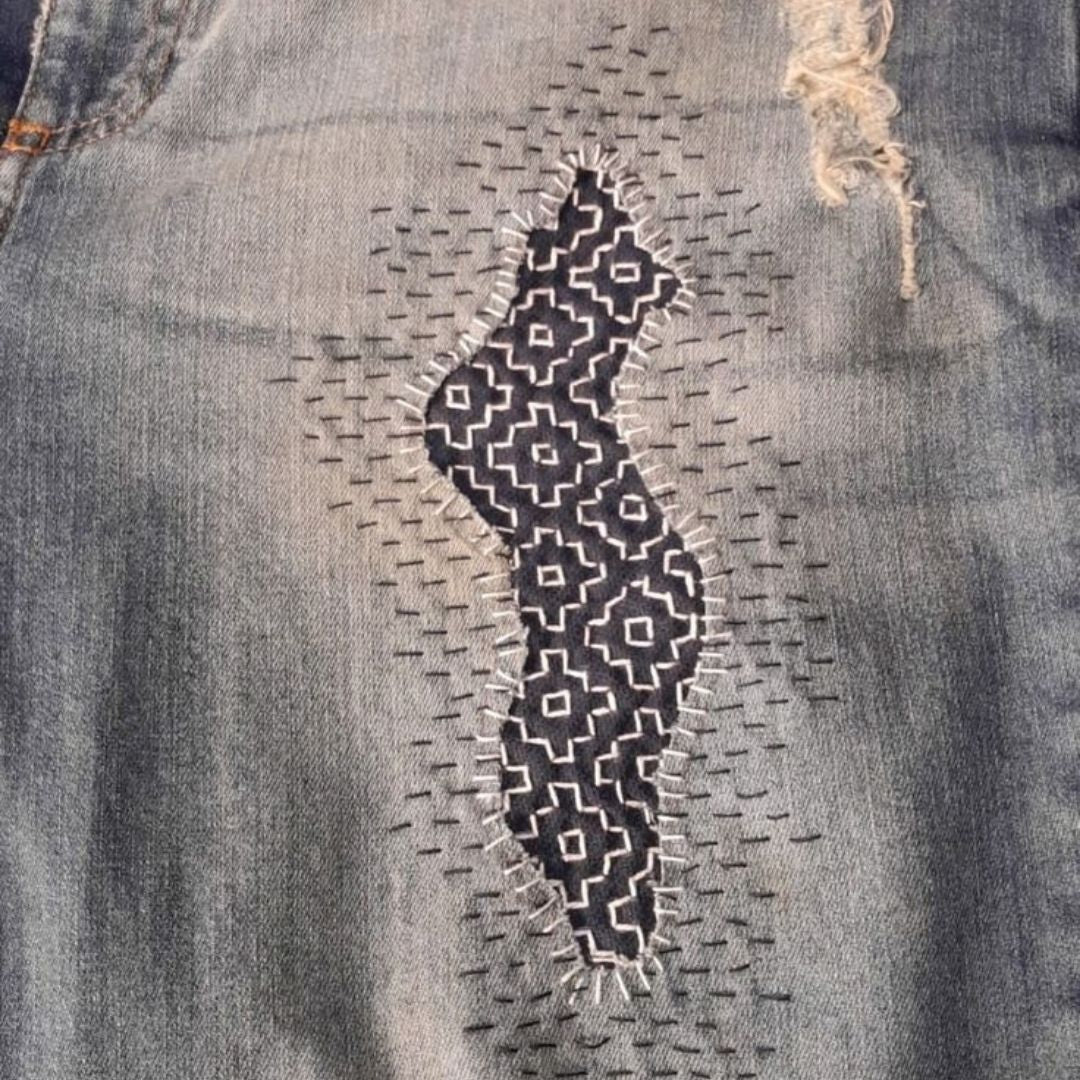
Another example of the relationship between making, utility and material character is sashiko, a Japanese running-stitch technique historically used to reinforce textiles, join layers of cloth and extend the life of garments. These practical stitches also developed distinctive decorative patterns, often based on repeated geometric forms.
The stitching remains visible, revealing how the fabric was worked and reinforced. What began as a functional technique could also produce textiles of considerable visual complexity.
Neither tradition should be understood simply as a celebration of flaws. Although they arise from different cultural and practical contexts, both offer ways of appreciating objects through their materials, use and history, without requiring every trace of making to be concealed.

Image Courtesy: Japan Objects
How Traditional Crafts Carry the Maker's Hand
Across India, traditional crafts demonstrate how generations of accumulated knowledge continue to shape the work of individual makers.
In Lucknow's Chikankari embroidery, artisans use a variety of stitches to create delicate patterns and textures. The density of the embroidery, the tension of the thread and the execution of each stitch depend on the embroiderer's experience. Even when working from the same design, individual differences may emerge.
In Rajasthan, hand block printing requires the printer to judge the placement, pressure and sequence of each impression. A carved wooden block may be repeated hundreds of times across a textile, demanding considerable accuracy while allowing subtle variations in colour and alignment.
Handloom weaving offers another perspective. In traditions such as Bhavani weaving in Tamil Nadu, the weaver works with the relationship between warp and weft, maintaining the structure of the textile while responding to the behaviour of the yarn. The finished fabric reflects both the discipline of the technique and the decisions made throughout its construction.

Image Courtesy: Incredible India
Traditional Dhokra metal casting provides a different example. Using the lost-wax technique, artisans create a wax model, typically over a clay core, which is enclosed in a mould before molten metal is introduced. The mould is broken to release the casting, making each piece the result of an individual making process, even when similar forms are repeated.
These crafts differ in material, technique and cultural context. What connects them is the close relationship between the maker's knowledge and the finished object.
The variations are not the craft itself. They are traces of the processes through which craftsmanship takes form.
Why We Value Handmade Objects Today
In a world accustomed to industrial consistency, handmade objects offer an opportunity to look more closely at how things are made.
This is particularly relevant to contemporary fashion and couture, where exceptional craftsmanship is often found in details that are not immediately visible. The construction of a garment, the handling of a difficult material or the execution of intricate embroidery may require many hours of skilled work.
Yet traditional craftsmanship is not confined to the past. Artisans continue to refine techniques, experiment with materials and adapt inherited knowledge to contemporary design. The value of these traditions lies not only in their history, but also in their capacity to evolve.
The question, then, is not whether a handmade object is perfect, but what its making reveals about the people, skills and knowledge behind it.
Handmade objects need not be identical to demonstrate excellence. Their value lies in the craftsmanship that makes each one possible.